
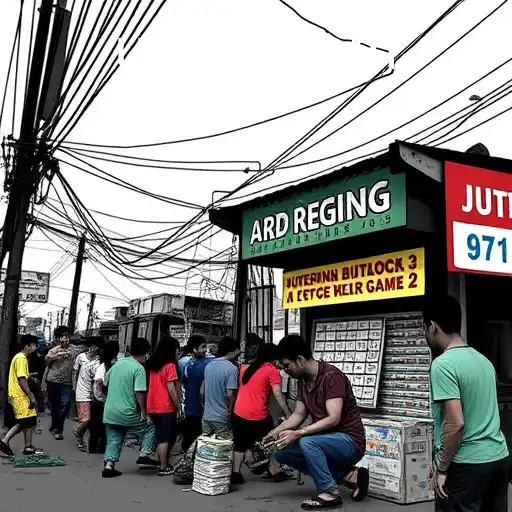
UUJL | The Complex World of Jueteng and Its Impact on Society
UUJL’s Exploring the intricacies of Jueteng, an illegal numbers game in the Philippines, and its relationship with culture, economy, and politics.
Understanding Jueteng: An Intricate Web of Gambling and Politics
Jueteng, a widely popular illegal numbers game, has been a significant part of Filipino culture for many decades. Known for its simplicity, the game has attracted millions, ranging from the working class to influential political figures. Despite numerous government efforts to eradicate this activity, Jueteng remains deeply entrenched in the socio-political and economic fabric of the Philippines. In this article, we delve into the complexities of Jueteng and examine how it continues to thrive in society.
The Mechanism of Jueteng
The operational simplicity of Jueteng is one of the main reasons for its persistent popularity. The game involves betting on a combination of numbers, usually chosen from 1 to 37, which are then drawn twice daily. Players can place small bets, allowing even those with limited income to participate. The winning numbers are determined through a public draw, yet the process is often hidden from public scrutiny, leaving room for manipulation and corruption.
Despite being illegal, Jueteng provides a steady flow of income for low-wage earners, not only players but also the thousands employed within its operations. From the cobradors, or bet collectors, to the administrators and even police officers complicit in the activity, a significant portion of the populace relies on Jueteng for financial sustenance.
Economic Ramifications of Jueteng
While Jueteng is primarily viewed as an economic lifeline for many, it comes with considerable economic drawbacks. As an underground economy, it results in lost tax revenues calculated in billions. This loss affects governmental infrastructure projects and social welfare programs, which otherwise could benefit the wider community.
Furthermore, the vast sums of money generated by Jueteng often end up being funneled into political campaigns or corrupt business practices. While it provides short-term economic relief for individuals at the grassroots level, it perpetuates a cycle of poverty and contributes to the widening gap between the wealthy and poor.
Cultural Significance of Jueteng
Within Filipino society, Jueteng has more than just an economic presence; it is deeply woven into the cultural and social milieu. The game is not merely about luck; it is also steeped in tradition and community involvement, making it difficult to eradicate. For many, it is considered a social activity, with verbal exchanges about bets being a means of building camaraderie. It is common in rural areas where social gatherings are limited, and entertainment options are few.
Political Intrigues and Jueteng
Jueteng's persistence can largely be attributed to its connections with political structures in the country. Politicians are often accused of turning a blind eye or even participating in its operations for financial and electoral gains. Historically, Jueteng operators known as ‘jueteng lords’ have maintained influence by supporting candidates financially, who, once in office, offer them protection from legal scrutiny.
This symbiotic relationship between politics and Jueteng means any serious reform or crackdown efforts are met with staunch resistance, often dissolving into half-hearted measures. Genuine attempts to combat Jueteng require unyielding political will and coordination across law enforcement and governance bodies, which has proven elusive over time.
Legal and Governmental Efforts
The fight to abolish Jueteng has seen alternating phases of tough enforcement and laxity. Various administrations have declared war on Jueteng, introducing amped-up legal provisions purportedly aimed at dismantling its operations. These attempts, however, often fade quietly as political priorities shift or are undercut by corruption within the ranks of enforcers themselves. There have been proposals suggesting the legalization of Jueteng to regulate and potentially control it. Such ideas cite the success stories from other nations that opted to integrate gambling within the bounds of law, effectively reducing its illegality and boosting government revenues through taxation.
The Future of Jueteng in Philippine Society
The question of whether Jueteng should be abolished or legalized remains complex and multifaceted. As long as poverty remains widespread, and the game retains its cultural hold, eliminating Jueteng entirely will be an uphill battle. Advancements in technology such as digital betting raise additional concerns about how Jueteng might evolve in the digital era, potentially complicating enforcement further.
For Jueteng to be addressed effectively, a comprehensive approach is needed—one that integrates socio-economic reforms aimed at reducing poverty, education tailored towards understanding the ramifications of gambling, and robust legal frameworks that are more than mere lip service.
Conclusion
In summary, Jueteng exemplifies the intricate ties between culture, economy, and politics within the Philippines. It is a phenomenon that offers both a haven and a hurdle, being both despised and cherished in equal measure. Addressing it requires unwavering commitment across all facets of society coupled with transparent and decisive political action.
